Категории
Новые продукты
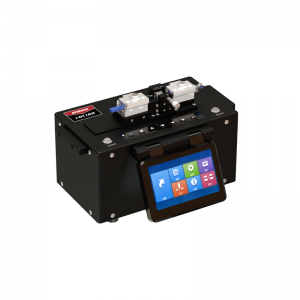
LDC-100 скалыватель оптических волокон большого диаметра * Применимо к волокнам диаметром 80~600 мкм *Вакуумный насос с V-образной канавкой удобно класть волокно *Прочное лезвие, срок службы более 20000 раз *Хранение данных 4000 групп * Удобное графическое меню, простое в эксплуатации Больше
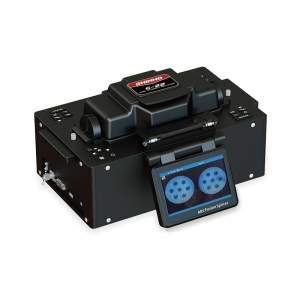
S-22 Многожильный сварочный аппарат для оптоволокна Первый полностью автоматический многоядерный сварочный аппарат F iber Fusion в Китае _ _ _ Больше
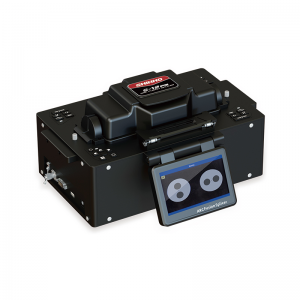
Поляризация поддерживая (PM) в волокна splicer сплавливания с-12 * Ядра к ядру согласование, низкие потери сплайсинга * Наблюдение Endview и профиль и выравнивание * Автоматическая калибровка дуги и сплайсинга * ПМ волокна 45 и 90 градусов регулировка Больше
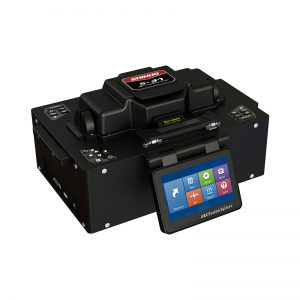
S-37 LDF Специальный сварочный аппарат для сварки волокон SHINHO S-37 — это последняя модель, которую мы разработали, она может сращивать оптические волокна диаметром от 125 до 400 мкм с низкими потерями при сращивании. Мы оснастили машину 3 различными держателями волокна и 2 парами запасных электродов. Больше
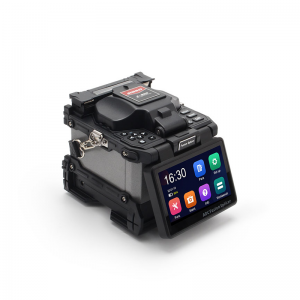
сердечник для выравнивания волокон сращиватель x900 сварочный аппарат с шестью двигателями, настоящая технология центровки сердечника. Сплайсинг 6 с, нагрев 16 с, автоматическое определение типов волокон. используется для wan / man / телекоммуникационных проектов. Больше
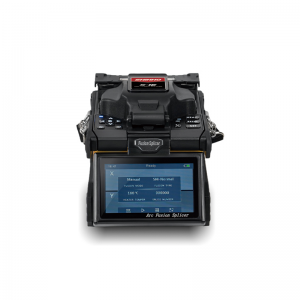
Надежный многофункциональный дуговой сварочный аппарат S16 Прочный промышленный дизайн, противоударный, пыленепроницаемый и водонепроницаемый. многофункциональный держатель для оголенного волокна, патч-кордов, кабеля и т. д. быстрое соединение и нагрев, автоматическая калибровка дуги. Больше
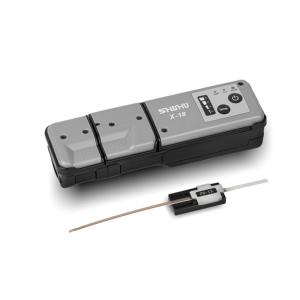
Термостриппер SHINHO X-18 для ленточных волокон Термостриппер Shinho X-18 — это недавно разработанный ручной термостриппер, специально разработанный для неразрушающего термозачистки оболочки ленточного кабеля до 12 волокон. Хороший и надежный инструмент для сращивания ленточных волокон. Больше
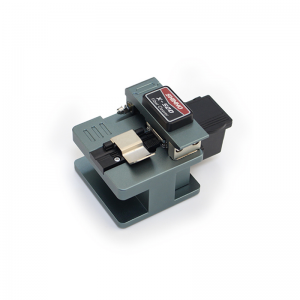
Высокоточный скалыватель оптических волокон X-50D Небольшой размер и легкий вес, прост в эксплуатации. Высокая точность и стабильная работа. Срок службы лезвия более 48000 раз, длина скола волокна 5 ~ 20 мм. Материал высокого качества Больше
Как аппарат для сварки оптоволоконных кабелей объединяет интернет воедино
В эпоху, когда мы воспринимаем гигабитный интернет как нечто само собой разумеющееся — потоковую передачу видео в формате 4K без буферизации, бесперебойное участие в видеозвонках Zoom или резервное копирование терабайтов данных в облако за считанные минуты — легко забыть о физической инфраструктуре, которая делает все это возможным.
Под нашими улицами, сквозь океаны и поднимаясь по многоквартирным домам, миллионы километров стеклянных нитей передают данные со скоростью света. Но эти хрупкие стеклянные волокна не соединяются сами по себе. Они свариваются вместе одним из самых точных, но недооцененных инструментов в мире телекоммуникаций: Аппарат для сварки оптоволоконных кабелей.
Представьте себе, что это самая в мире скрупулезная швейная машина, сшивающая ткань интернета.
Сварочный аппарат для оптоволокна — это высокотехнологичное устройство, выполняющее микрохирургическую операцию на стекле. Его задача — взять два отдельных оптических волокна и соединить их концами настолько идеально, что свет проходит через место соединения так, как если бы волокно никогда не было разрезано.
Как это работает?
Аппарат генерирует высоковольтную дугу между двумя электродами, создавая искру, температура которой достигает приблизительно 100 °C.
1800°C (3600°F)
Этот сильный жар расплавляет кончики стекловолокон, после чего машина физически сжимает концы вместе, сплавляя их в единую непрерывную нить.
Но вот в чем загвоздка: сердцевина одномодового волокна — фактический путь для света — имеет длину всего около 9 микрон в диаметре Для сравнения, толщина человеческого волоса составляет примерно 75 микрон. Если при сварке проводов эти жилы будут смещены всего на 100 сантиметров, это может привести к тому, что сварочный аппарат допустит ошибку. 1 микрон При этом сигнал ухудшается.
Вот почему сварочный аппарат для оптоволокна — это не просто «горелка»; это чудо оптоэлектроники, оснащенное мощными микроскопами, шаговыми двигателями и сложными алгоритмами обработки изображений.
Не все сварочные аппараты одинаковы. Рынок, как правило, делится на две категории в зависимости от способа выравнивания волокон: Выравнивание облицовки (PAS) и Выравнивание ядра .
л Выравнивание облицовки (PAS): Это более старый, но более быстрый метод. Аппарат ориентируется на внешний край стекла (облицовки) и выравнивает волокна относительно него. Это как выстроить двух человек по подолу их пальто; обычно этого достаточно, но люди внутри могут стоять не идеально прямо. Этот метод широко используется при развертывании FTTH (оптоволокно до дома), где важна экономическая эффективность и требования к расстоянию невелики.
л Выравнивание основных параметров: Это золотой стандарт для высокоскоростных магистральных сетей. Используя передовые датчики изображения (например, ПЗС-камеры) и многомоторную систему, сварочный аппарат буквально «смотрит» на сердцевину волокна. Он анализирует геометрию стекла и напрямую выравнивает сердцевины. Это снижает средние потери при сварке до 0,02 дБ или меньше Когда вы передаете данные через океан, эта точность имеет значение.
Если вы — подрядчик, управляющий центром обработки данных или коммунальная компания — и вам нужен сварочный аппарат для проводов, выбор обычно сводится к четырем ключевым факторам: Потери, скорость, долговечность и стоимость.
1. Потеря при сращивании: Это не подлежит обсуждению. Ищите оборудование, которое стабильно обеспечивает низкие расчетные потери при сварке. Даже разница в 0,1 дБ на сотнях соединений в сумме приводит к значительным потерям сигнала.
2. Скорость: На строительной площадке время — деньги. Современные сварочные аппараты могут выполнить полный цикл сварки (выравнивание, плавление и оценка потерь) менее чем за... 10 секунд При этом циклы нагрева защитных рукавов занимают около 15-20 секунд .
3. Экологическая устойчивость: Сварка оптоволокна часто выполняется в канализационных колодцах, на телефонных столбах или на пыльных строительных площадках. Для этого требуется оборудование с высокой производительностью. Степень защиты от проникновения пыли и влаги (IP-рейтинг) Стандартная степень защиты IP52 или выше означает, что устройство устойчиво к пыли и капающей воде.
4. Срок службы и техническое обслуживание электродов: Электроды — это расходный материал, являющийся сердцем аппарата. Хороший сварочный аппарат должен обеспечивать от 3000 до 5000 дуговых разрядов на один комплект электродов. Регулярное техническое обслуживание, например, очистка V-образных канавок (где находится волокно) ватным тампоном, позволит аппарату работать от 5 до 10 лет.
Даже с высококлассным сварочным аппаратом для оптоволокна стоимостью 10 000 долларов некачественная сварка всё ещё возможна. Качество аппарата зависит от подготовки оператора. Этот процесс — своего рода ритуал:
1. Полоска: Удалите защитное пластиковое покрытие с волокна с помощью средства для удаления пленки.
2. Чистый: Протрите чистое стекло 99% изопропиловым спиртом и безворсовыми салфетками. Любая микроскопическая пыль будет сгорать в электрической дуге, вызывая образование пузырьков или загрязнение.
3. Рассечение: Надрежьте и сломайте волокно под идеальным углом в 90 градусов с помощью скалывателя. Это создаст зеркально гладкую поверхность. Некачественное скалывание является основной причиной большого количества повреждений при сращивании.
4. Соединение: Поместите волокна в машину и нажмите кнопку «Установить». Машина сделает все остальное.
5. Защищать: Наденьте термоусадочную трубку на голое стекло и поместите его в печь. Это восстановит механическую прочность волокна.
6. Тест: Используйте оптический рефлектометр временной области (OTDR), чтобы убедиться в идеальности соединения.

Приглашаем вас зарегистрировать новостную рассылку, если у вас есть интерес к нашим продуктам, мы будем держать вас в курсе наших новостей, информации о продуктах и рекламных акциях, если таковые имеются.
© Авторское право: SHINHO OPTICS LIMITED Все права защищены.


 русский
 English
 français
 italiano
 español
 português
 العربية
 ไทย
ไทย हिन्दी
 Indonesia
 中文
中文