Категории
Новые продукты
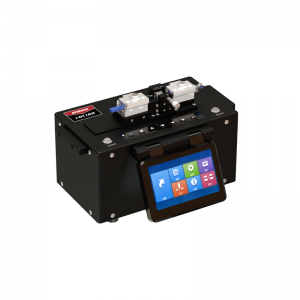
LDC-100 скалыватель оптических волокон большого диаметра * Применимо к волокнам диаметром 80~600 мкм *Вакуумный насос с V-образной канавкой удобно класть волокно *Прочное лезвие, срок службы более 20000 раз *Хранение данных 4000 групп * Удобное графическое меню, простое в эксплуатации Больше
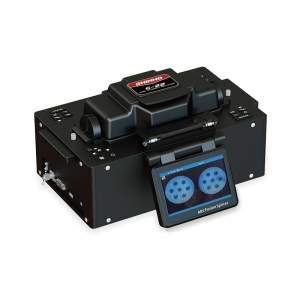
S-22 Многожильный сварочный аппарат для оптоволокна Первый полностью автоматический многоядерный сварочный аппарат F iber Fusion в Китае _ _ _ Больше
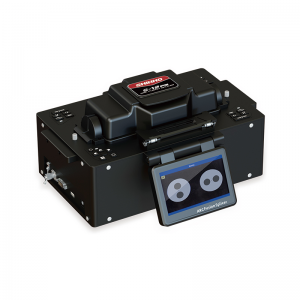
Поляризация поддерживая (PM) в волокна splicer сплавливания с-12 * Ядра к ядру согласование, низкие потери сплайсинга * Наблюдение Endview и профиль и выравнивание * Автоматическая калибровка дуги и сплайсинга * ПМ волокна 45 и 90 градусов регулировка Больше
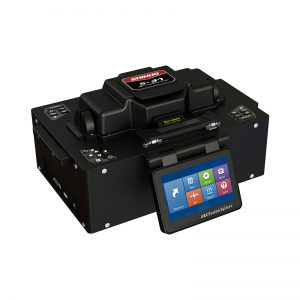
S-37 LDF Специальный сварочный аппарат для сварки волокон SHINHO S-37 — это последняя модель, которую мы разработали, она может сращивать оптические волокна диаметром от 125 до 400 мкм с низкими потерями при сращивании. Мы оснастили машину 3 различными держателями волокна и 2 парами запасных электродов. Больше
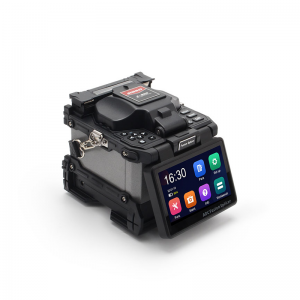
сердечник для выравнивания волокон сращиватель x900 сварочный аппарат с шестью двигателями, настоящая технология центровки сердечника. Сплайсинг 6 с, нагрев 16 с, автоматическое определение типов волокон. используется для wan / man / телекоммуникационных проектов. Больше

Надежный многофункциональный дуговой сварочный аппарат S16 Прочный промышленный дизайн, противоударный, пыленепроницаемый и водонепроницаемый. многофункциональный держатель для оголенного волокна, патч-кордов, кабеля и т. д. быстрое соединение и нагрев, автоматическая калибровка дуги. Больше
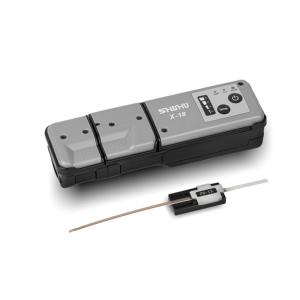
Термостриппер SHINHO X-18 для ленточных волокон Термостриппер Shinho X-18 — это недавно разработанный ручной термостриппер, специально разработанный для неразрушающего термозачистки оболочки ленточного кабеля до 12 волокон. Хороший и надежный инструмент для сращивания ленточных волокон. Больше
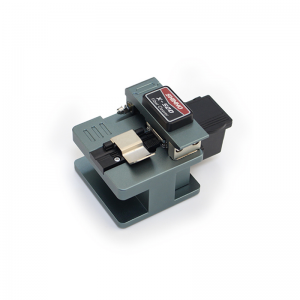
Высокоточный скалыватель оптических волокон X-50D Небольшой размер и легкий вес, прост в эксплуатации. Высокая точность и стабильная работа. Срок службы лезвия более 48000 раз, длина скола волокна 5 ~ 20 мм. Материал высокого качества Больше
Применение и перспективы использования оптических волокон с тонкой оболочкой в медицинской сфере.
В последние годы появились оптические волокна с меньшим диаметром оболочки, такие как
40 мкм, 50 мкм и 60 мкм
—привлекли все большее внимание в секторе медицинских технологий. По сравнению с обычными оптическими волокнами с
125 мкм оболочка
Эти волокна меньшего диаметра обеспечивают большую гибкость, меньшую инвазивность и лучшую интеграцию в компактные медицинские устройства. По мере развития малоинвазивной медицины оптические волокна малого диаметра становятся важной вспомогательной технологией.
Одно из наиболее распространенных применений —
лазерная литотрипсия в урологии
При лечении камней в почках врачи вводят гибкий эндоскоп через мочевыводящие пути и подают лазерную энергию через тонкое оптическое волокно, чтобы разбить камни на мелкие фрагменты. Такие лазеры, как гольмиевый YAG-лазер и тулиевый волоконный лазер, используют оптические волокна для точной подачи энергии. Более тонкие волокна позволяют эндоскопу сохранять большую гибкость и дают хирургам возможность достигать камней, расположенных в более узких или сложных анатомических каналах.
Еще одно важное применение — лечение сосудистых заболеваний, таких как варикозное расширение вен. Малоинвазивная методика, известная как эндовенозная лазерная абляция, использует оптическое волокно, вводимое в пораженную вену. Лазерная энергия нагревает стенку сосуда, вызывая ее закрытие и последующее рассасывание в организме. Тонкие оптические волокна помогают уменьшить травматизацию во время введения и позволяют врачам легче перемещаться по мелким кровеносным сосудам.
Оптические волокна малого диаметра также используются в современных неврологических процедурах. В таких методах, как лазерная интерстициальная термотерапия, очень тонкий лазерный зонд вводится в ткани головного мозга для точного разрушения опухолей или патологических тканей. Поскольку структуры головного мозга чрезвычайно хрупкие, предпочтение отдается волокнам меньшего диаметра, так как они минимизируют повреждение окружающих тканей, обеспечивая при этом точную передачу энергии.
В онкологии оптические волокна играют ключевую роль в световых методах лечения, таких как фотодинамическая терапия. При этом методе лечения фоточувствительный препарат накапливается в раковых клетках, а затем активируется светом, подаваемым через оптическое волокно. В результате реакции целевые клетки разрушаются, при этом здоровые ткани остаются неповрежденными. Небольшие оптические волокна облегчают доставку света через эндоскопы в такие органы, как легкие, пищевод или мочевой пузырь.
В перспективе ожидается рост спроса на оптические волокна с тонкой оболочкой наряду с развитием технологий.
малоинвазивная хирургия, роботизированные хирургические системы и передовые эндоскопические инструменты
По мере того, как медицинские приборы становятся все меньше и точнее, потребность в гибких высокопроизводительных оптических волокнах будет расти. Хотя этот рынок меньше, чем телекоммуникационная волоконно-оптическая промышленность, он характеризуется
высокие технические требования и высокая ценность за единицу
что делает его важной нишей в более широкой экосистеме оптических волокон.
В заключение, оптические волокна малого диаметра открывают новые возможности в современной медицине — от лечения камней в почках до терапии рака. По мере развития медицинских технологий в направлении менее инвазивных и более точных процедур, эти специализированные волокна будут играть все более важную роль в будущих медицинских инновациях.

Приглашаем вас зарегистрировать новостную рассылку, если у вас есть интерес к нашим продуктам, мы будем держать вас в курсе наших новостей, информации о продуктах и рекламных акциях, если таковые имеются.
© Авторское право: SHINHO OPTICS LIMITED Все права защищены.


 русский
 English
 français
 italiano
 español
 português
 العربية
 ไทย
ไทย हिन्दी
 Indonesia
 中文
中文