Категории
Новые продукты
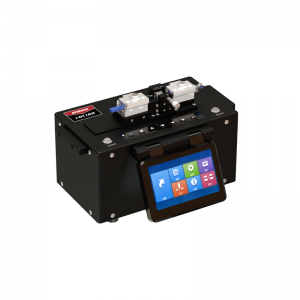
LDC-100 скалыватель оптических волокон большого диаметра * Применимо к волокнам диаметром 80~600 мкм *Вакуумный насос с V-образной канавкой удобно класть волокно *Прочное лезвие, срок службы более 20000 раз *Хранение данных 4000 групп * Удобное графическое меню, простое в эксплуатации Больше
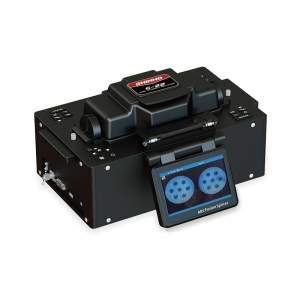
S-22 Многожильный сварочный аппарат для оптоволокна Первый полностью автоматический многоядерный сварочный аппарат F iber Fusion в Китае _ _ _ Больше
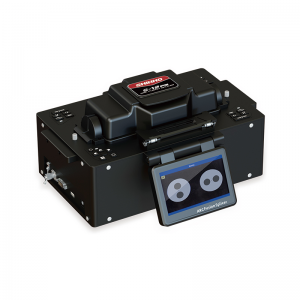
Поляризация поддерживая (PM) в волокна splicer сплавливания с-12 * Ядра к ядру согласование, низкие потери сплайсинга * Наблюдение Endview и профиль и выравнивание * Автоматическая калибровка дуги и сплайсинга * ПМ волокна 45 и 90 градусов регулировка Больше
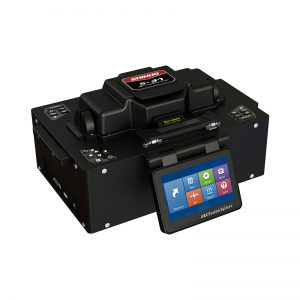
S-37 LDF Специальный сварочный аппарат для сварки волокон SHINHO S-37 — это последняя модель, которую мы разработали, она может сращивать оптические волокна диаметром от 125 до 400 мкм с низкими потерями при сращивании. Мы оснастили машину 3 различными держателями волокна и 2 парами запасных электродов. Больше
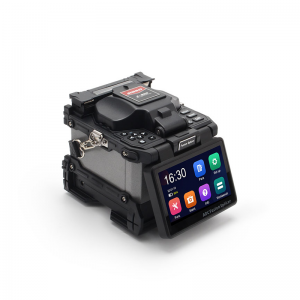
сердечник для выравнивания волокон сращиватель x900 сварочный аппарат с шестью двигателями, настоящая технология центровки сердечника. Сплайсинг 6 с, нагрев 16 с, автоматическое определение типов волокон. используется для wan / man / телекоммуникационных проектов. Больше
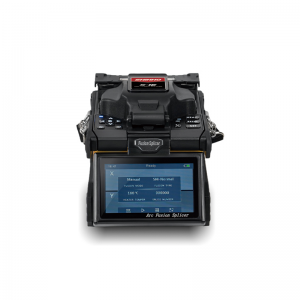
Надежный многофункциональный дуговой сварочный аппарат S16 Прочный промышленный дизайн, противоударный, пыленепроницаемый и водонепроницаемый. многофункциональный держатель для оголенного волокна, патч-кордов, кабеля и т. д. быстрое соединение и нагрев, автоматическая калибровка дуги. Больше
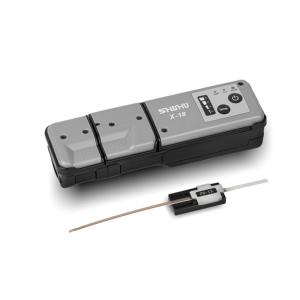
Термостриппер SHINHO X-18 для ленточных волокон Термостриппер Shinho X-18 — это недавно разработанный ручной термостриппер, специально разработанный для неразрушающего термозачистки оболочки ленточного кабеля до 12 волокон. Хороший и надежный инструмент для сращивания ленточных волокон. Больше
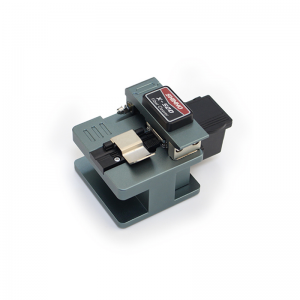
Высокоточный скалыватель оптических волокон X-50D Небольшой размер и легкий вес, прост в эксплуатации. Высокая точность и стабильная работа. Срок службы лезвия более 48000 раз, длина скола волокна 5 ~ 20 мм. Материал высокого качества Больше
Волокна с полой сердцевиной в лазерных системах: новая альтернатива традиционным волокнам.
Поскольку лазерные системы продолжают развиваться в направлении увеличения мощности, уменьшения ширины линии и сокращения длительности импульсов, традиционные оптические волокна с твердым сердечником постепенно приближаются к своим физическим пределам. Нелинейные эффекты, такие как стимулированное бриллюэновское рассеяние (SBS), стимулированное рамановское рассеяние (SRS) и самофазовая модуляция, все больше ограничивают дальнейшее улучшение характеристик. В этом контексте, Половолоконное волокно (HCF) Зарекомендовал себя как многообещающий и стратегически важный вариант для лазерных архитектур следующего поколения.
В отличие от обычных волокон, где свет распространяется через диоксид кремния, в волокнах HCF свет распространяется преимущественно в воздухе. Это принципиальное различие приводит к значительно более низкая оптическая нелинейность и более высокая способность выдерживать пиковую мощность. Благодаря этому HCF особенно привлекателен для лазеров со сверхкороткими импульсами (пс/фс), систем с узкой шириной линии излучения, когерентного объединения лучей, а также для передовых научных или оборонных применений.
Однако внедрение HCF — это не просто замена одного волокна другим. С точки зрения производства и интеграции, сращивание волокон Раскалывание и качество торцевой поверхности становятся критически важными факторами на системном уровне. а не рутинные процессы.
В лазерных системах со сверхкороткими импульсами пиковая мощность может быть на несколько порядков выше средней мощности. Любые дефекты — микротрещины, загрязнения, несоответствие мод или разрушение структуры в точке сращивания — могут стать немедленной причиной отказа. Аналогично, низкое качество скалывания или субмикронные дефекты на торце волокна могут привести к локальному усилению поля, пробою воздуха или катастрофическим повреждениям во время работы.
Вот где специализированное оборудование для обработки волокна играет решающую роль.
Для обеспечения следующих преимуществ необходимы усовершенствованные сварочные аппараты для оптоволокна специального назначения, а также высокоточные скалыватели, оптимизированные для волокон с большим модовым полем и микроструктурированных волокон:
Стабильный переход модового поля
Минимальные структурные искажения
Высокая повторяемость и долговременная надежность.
По мере того, как технология HCF переходит от лабораторных демонстраций к созданию реальных лазерных изделий, Проблема заключается уже не только в конструкции волокна, но и в том, насколько качественно его можно обрабатывать, интегрировать и обслуживать. .
В ближайшем будущем маловероятно, что волоконно-оптические кабели с полой сердцевиной заменят традиционные волокна в основных промышленных лазерных системах непрерывного излучения. Вместо этого их будущее связано с... высокопроизводительные лазерные приложения где расширение физических пределов оправдывает более высокую сложность и стоимость. В таких системах надежное соединение и расщепление проводов не являются необязательными — они являются основой стабильности системы.
Для производителей лазерного оборудования и поставщиков услуг инвестиции в надлежащие решения для обработки волокон сегодня означают готовность к лазерным технологиям завтрашнего дня.

Приглашаем вас зарегистрировать новостную рассылку, если у вас есть интерес к нашим продуктам, мы будем держать вас в курсе наших новостей, информации о продуктах и рекламных акциях, если таковые имеются.
© Авторское право: SHINHO OPTICS LIMITED Все права защищены.


 русский
 English
 français
 italiano
 español
 português
 العربية
 ไทย
ไทย हिन्दी
 Indonesia
 中文
中文