Категории
Новые продукты
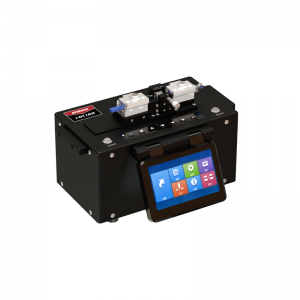
LDC-100 скалыватель оптических волокон большого диаметра * Применимо к волокнам диаметром 80~600 мкм *Вакуумный насос с V-образной канавкой удобно класть волокно *Прочное лезвие, срок службы более 20000 раз *Хранение данных 4000 групп * Удобное графическое меню, простое в эксплуатации Больше
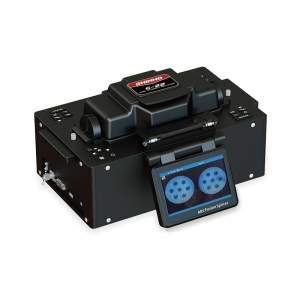
S-22 Многожильный сварочный аппарат для оптоволокна Первый полностью автоматический многоядерный сварочный аппарат F iber Fusion в Китае _ _ _ Больше
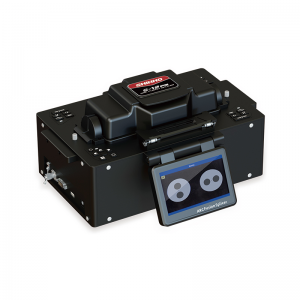
Поляризация поддерживая (PM) в волокна splicer сплавливания с-12 * Ядра к ядру согласование, низкие потери сплайсинга * Наблюдение Endview и профиль и выравнивание * Автоматическая калибровка дуги и сплайсинга * ПМ волокна 45 и 90 градусов регулировка Больше
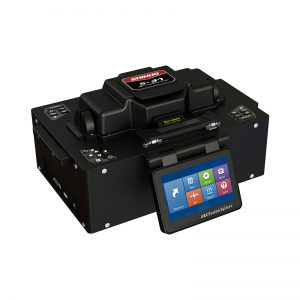
S-37 LDF Специальный сварочный аппарат для сварки волокон SHINHO S-37 — это последняя модель, которую мы разработали, она может сращивать оптические волокна диаметром от 125 до 400 мкм с низкими потерями при сращивании. Мы оснастили машину 3 различными держателями волокна и 2 парами запасных электродов. Больше
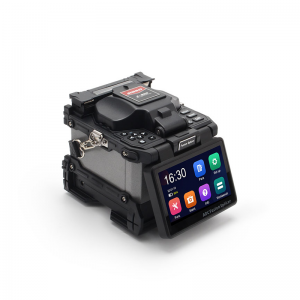
сердечник для выравнивания волокон сращиватель x900 сварочный аппарат с шестью двигателями, настоящая технология центровки сердечника. Сплайсинг 6 с, нагрев 16 с, автоматическое определение типов волокон. используется для wan / man / телекоммуникационных проектов. Больше

Надежный многофункциональный дуговой сварочный аппарат S16 Прочный промышленный дизайн, противоударный, пыленепроницаемый и водонепроницаемый. многофункциональный держатель для оголенного волокна, патч-кордов, кабеля и т. д. быстрое соединение и нагрев, автоматическая калибровка дуги. Больше
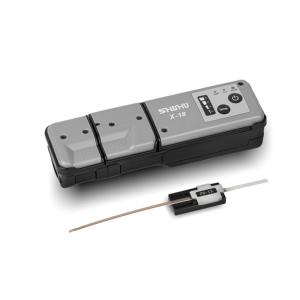
Термостриппер SHINHO X-18 для ленточных волокон Термостриппер Shinho X-18 — это недавно разработанный ручной термостриппер, специально разработанный для неразрушающего термозачистки оболочки ленточного кабеля до 12 волокон. Хороший и надежный инструмент для сращивания ленточных волокон. Больше
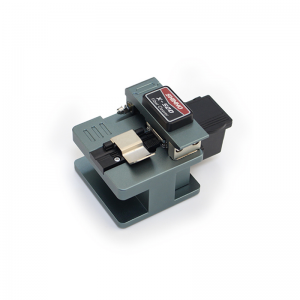
Высокоточный скалыватель оптических волокон X-50D Небольшой размер и легкий вес, прост в эксплуатации. Высокая точность и стабильная работа. Срок службы лезвия более 48000 раз, длина скола волокна 5 ~ 20 мм. Материал высокого качества Больше
Половоячеистое волокно в высокопроизводительных каналах связи
Высокопроизводительные каналы связи характеризуются экстремальными требованиями к производительности — сверхнизкой задержкой, сверхвысокой пропускной способностью и исключительной стабильностью. Типичные сценарии включают сети для финансовых операций, магистральные сети связи, межсоединения гипермасштабных центров обработки данных и развивающиеся системы связи для кластеров искусственного интеллекта.
На протяжении десятилетий традиционные волокна, такие как одномодовое волокно G.652 и волокно G.654, поддерживали глобальную систему связи. Хотя постоянное совершенствование технологий затухания, дисперсии и усиления (например, системы DWDM) значительно увеличило пропускную способность, эти волокна по-прежнему принципиально ограничены физическими свойствами диоксида кремния. В частности, задержка и нелинейные эффекты накладывают жесткие ограничения на масштабирование производительности.
Волокно с полой сердцевиной (HCF) использует принципиально иной механизм распространения света, ограничивая его внутри сердцевины, подобной волокну օդ, а не в твердом стекле. Этот сдвиг дает ряд важных преимуществ:
• Примерно на 30% меньшая задержка благодаря скорости распространения света, близкой к вакуумной.
• Значительно снижены нелинейные эффекты, что позволяет увеличить мощность запуска.
• Больший потенциал для масштабирования пропускной способности за счет усовершенствованного мультиплексирования.
Эти характеристики делают HCF особенно привлекательным для приложений со сверхнизкой задержкой, таких как высокочастотная торговля и чувствительные к задержке межсоединения между крупными центрами обработки данных. В таких условиях даже улучшение на микросекунды может привести к измеримым экономическим или вычислительным выгодам.
Помимо сценариев использования, обусловленных низкой задержкой, технология HCF также демонстрирует большой потенциал в высокоскоростных магистральных сетях. Снижая нелинейные искажения, она позволяет более эффективно использовать оптический спектр и увеличивать общую пропускную способность на одно волокно. Параллельно с этим, такие крупные облачные провайдеры, как Amazon и Google, все чаще изучают оптические межсоединения с низкой задержкой для оптимизации распределенных вычислений и производительности обучения ИИ.
Однако, несмотря на свои преимущества, HCF вряд ли заменит традиционные волокна на всех уровнях сети. Значительными препятствиями остаются такие проблемы, как более высокая стоимость, сложность производства и более строгие требования к сварке и обработке. В условиях ограниченных средств — особенно в сетях доступа на основе G.652 и волокон, нечувствительных к изгибам, — традиционные решения будут по-прежнему доминировать.
Вместо этого, будущая сетевая архитектура, скорее всего, станет более стратифицированной:
• Полововолокно для критически важных и высокоэффективных линий связи.
• Усовершенствованные волокна с цельным сердечником (например, G.654) для передачи данных на большие расстояния по магистралям.
• Стандартные одномодовые волокна для сетей доступа и городских сетей
В заключение следует отметить, что волоконно-оптические кабели с полой сердцевиной не следует рассматривать как универсальную замену, а как стратегическое усовершенствование для наиболее требовательных сегментов оптической связи.

Приглашаем вас зарегистрировать новостную рассылку, если у вас есть интерес к нашим продуктам, мы будем держать вас в курсе наших новостей, информации о продуктах и рекламных акциях, если таковые имеются.
© Авторское право: SHINHO OPTICS LIMITED Все права защищены.


 русский
 English
 français
 italiano
 español
 português
 العربية
 ไทย
ไทย हिन्दी
 Indonesia
 中文
中文