Категории
Новые продукты
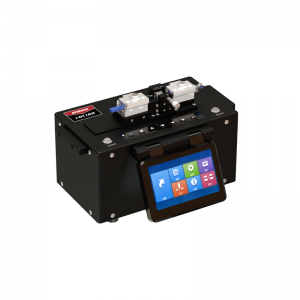
LDC-100 скалыватель оптических волокон большого диаметра * Применимо к волокнам диаметром 80~600 мкм *Вакуумный насос с V-образной канавкой удобно класть волокно *Прочное лезвие, срок службы более 20000 раз *Хранение данных 4000 групп * Удобное графическое меню, простое в эксплуатации Больше
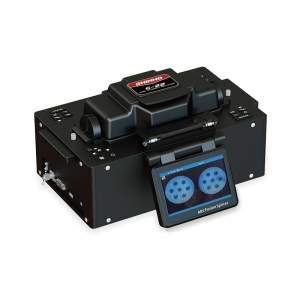
S-22 Многожильный сварочный аппарат для оптоволокна Первый полностью автоматический многоядерный сварочный аппарат F iber Fusion в Китае _ _ _ Больше
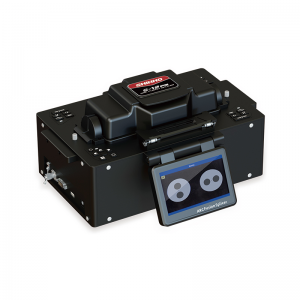
Поляризация поддерживая (PM) в волокна splicer сплавливания с-12 * Ядра к ядру согласование, низкие потери сплайсинга * Наблюдение Endview и профиль и выравнивание * Автоматическая калибровка дуги и сплайсинга * ПМ волокна 45 и 90 градусов регулировка Больше
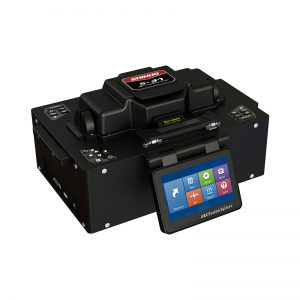
S-37 LDF Специальный сварочный аппарат для сварки волокон SHINHO S-37 — это последняя модель, которую мы разработали, она может сращивать оптические волокна диаметром от 125 до 400 мкм с низкими потерями при сращивании. Мы оснастили машину 3 различными держателями волокна и 2 парами запасных электродов. Больше
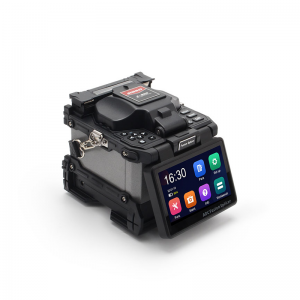
сердечник для выравнивания волокон сращиватель x900 сварочный аппарат с шестью двигателями, настоящая технология центровки сердечника. Сплайсинг 6 с, нагрев 16 с, автоматическое определение типов волокон. используется для wan / man / телекоммуникационных проектов. Больше
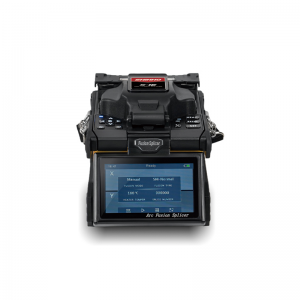
Надежный многофункциональный дуговой сварочный аппарат S16 Прочный промышленный дизайн, противоударный, пыленепроницаемый и водонепроницаемый. многофункциональный держатель для оголенного волокна, патч-кордов, кабеля и т. д. быстрое соединение и нагрев, автоматическая калибровка дуги. Больше
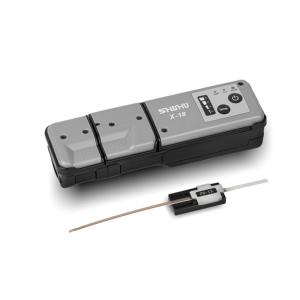
Термостриппер SHINHO X-18 для ленточных волокон Термостриппер Shinho X-18 — это недавно разработанный ручной термостриппер, специально разработанный для неразрушающего термозачистки оболочки ленточного кабеля до 12 волокон. Хороший и надежный инструмент для сращивания ленточных волокон. Больше
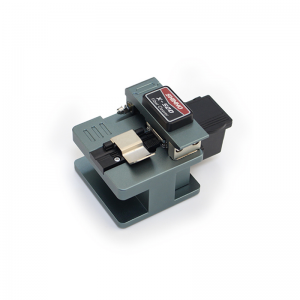
Высокоточный скалыватель оптических волокон X-50D Небольшой размер и легкий вес, прост в эксплуатации. Высокая точность и стабильная работа. Срок службы лезвия более 48000 раз, длина скола волокна 5 ~ 20 мм. Материал высокого качества Больше
Fiber Optic Recoating Machine: A Key Process Equipment for High-Reliability Fiber Systems
A fiber optic recoating machine is a specialized device used to restore the protective coating of optical fibers. It is mainly applied after fiber stripping, splicing, or repair processes. By using UV-curable materials, it re-applies a protective layer to bare fiber, restoring its mechanical strength and environmental resistance close to the original level.
In modern fiber optic communication, fiber laser systems, and fiber sensing applications, stripped fiber becomes extremely fragile. Without proper protection, it is highly susceptible to breakage, micro-bending loss, and long-term reliability issues. Therefore, the recoating process has become an essential step in high-reliability fiber systems.
During fiber splicing or repair, the original coating must be removed to allow precise alignment and fusion splicing. However, once the coating is removed, the bare fiber has several critical weaknesses:
· Significantly reduced mechanical strength
· Extremely sensitive to bending and tension
· Poor long-term reliability
· Vulnerable to moisture and contamination
A fiber recoating machine solves this problem by using a mold-forming process combined with UV curing to recreate the protective coating, restoring a stable and durable fiber structure.
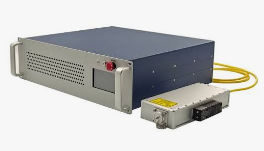
In high-power fiber laser systems (especially kilowatt-level and above), optical fibers operate under extremely high energy density for long periods. Without proper recoating protection, splice points or repaired sections may suffer from:
· Thermal damage
· Fiber breakage
· Reduced long-term stability
Therefore, recoating machines are widely used in fiber laser manufacturing and repair, serving as a critical process to ensure system reliability.
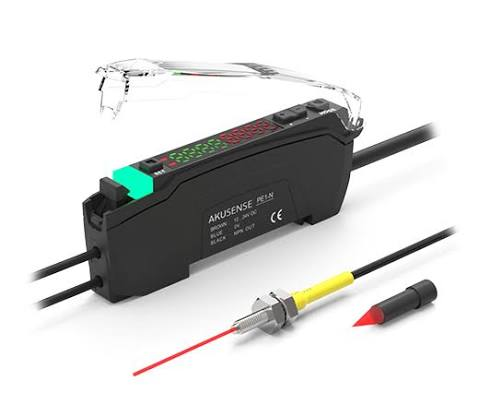
In distributed acoustic sensing (DAS), fiber optic gyroscopes (FOG), and fiber Bragg grating (FBG) systems, the optical fiber itself acts as the sensing medium.
Since signal accuracy depends heavily on fiber integrity, even minor mechanical damage or stress changes can affect measurement performance. Recoating ensures long-term stability and consistency of sensing systems.
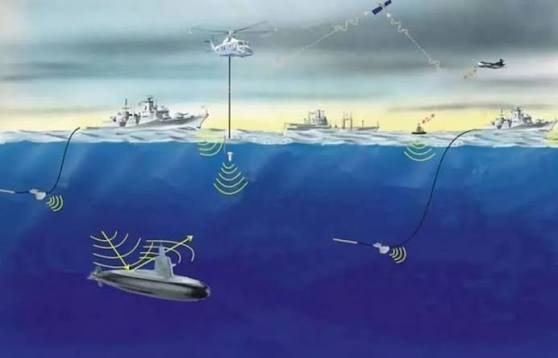
In military, aerospace, and anti-interference communication systems, optical fibers often operate in harsh environments such as vibration, temperature extremes, and strong electromagnetic interference.
These applications demand extremely high reliability, and fiber recoating significantly improves mechanical robustness and environmental resistance, making it an essential process for mission-critical communication links.
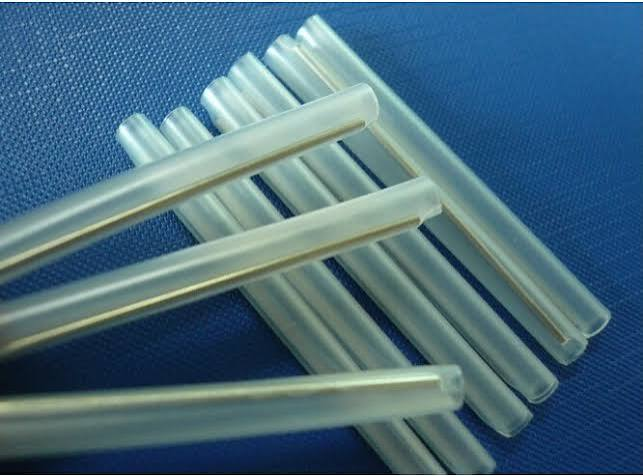
In practical engineering, heat shrink tubes are sometimes used as a low-cost alternative. However, the two methods are fundamentally different:
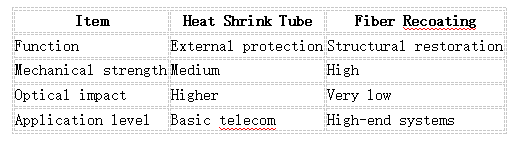
In simple terms: heat shrink provides protection, while recoating restores the fiber structure.
With the continuous development of fiber optic technology toward higher power, higher precision, and more specialized applications, the importance of recoating technology is increasing. Key trends include:
Higher laser power requires stronger and more reliable fiber structures, making recoating quality critical to system lifetime and safety.
Technologies such as DAS are being widely adopted in energy, transportation, and security sectors, requiring long-term stable operation.
Emerging fibers such as polarization-maintaining (PM) fiber and hollow-core fiber require more precise repair and protection processes.
Although a fiber optic recoating machine does not directly participate in signal transmission or laser output, it plays a critical role in restoring and protecting optical fibers within high-performance systems.
Its value can be summarized as follows:
In high-end fiber systems, long-term reliability is not determined only by the fiber itself, but by how well it is restored and protected after splicing.
As fiber laser, fiber sensing, and specialty fiber technologies continue to evolve, fiber recoating machines will play an increasingly important role in ensuring system stability and reliability across advanced applications.
Предыдущий :
Why Are Optical Transceivers So Important in the AI Era?Следующая :
Why Is Fiber Recoating Important?
Приглашаем вас зарегистрировать новостную рассылку, если у вас есть интерес к нашим продуктам, мы будем держать вас в курсе наших новостей, информации о продуктах и рекламных акциях, если таковые имеются.
© Авторское право: SHINHO OPTICS LIMITED Все права защищены.


 русский
 English
 français
 italiano
 español
 português
 العربية
 ไทย
ไทย हिन्दी
 Indonesia
 中文
中文